
Rosacea: Why gut health & stress matter more than you think
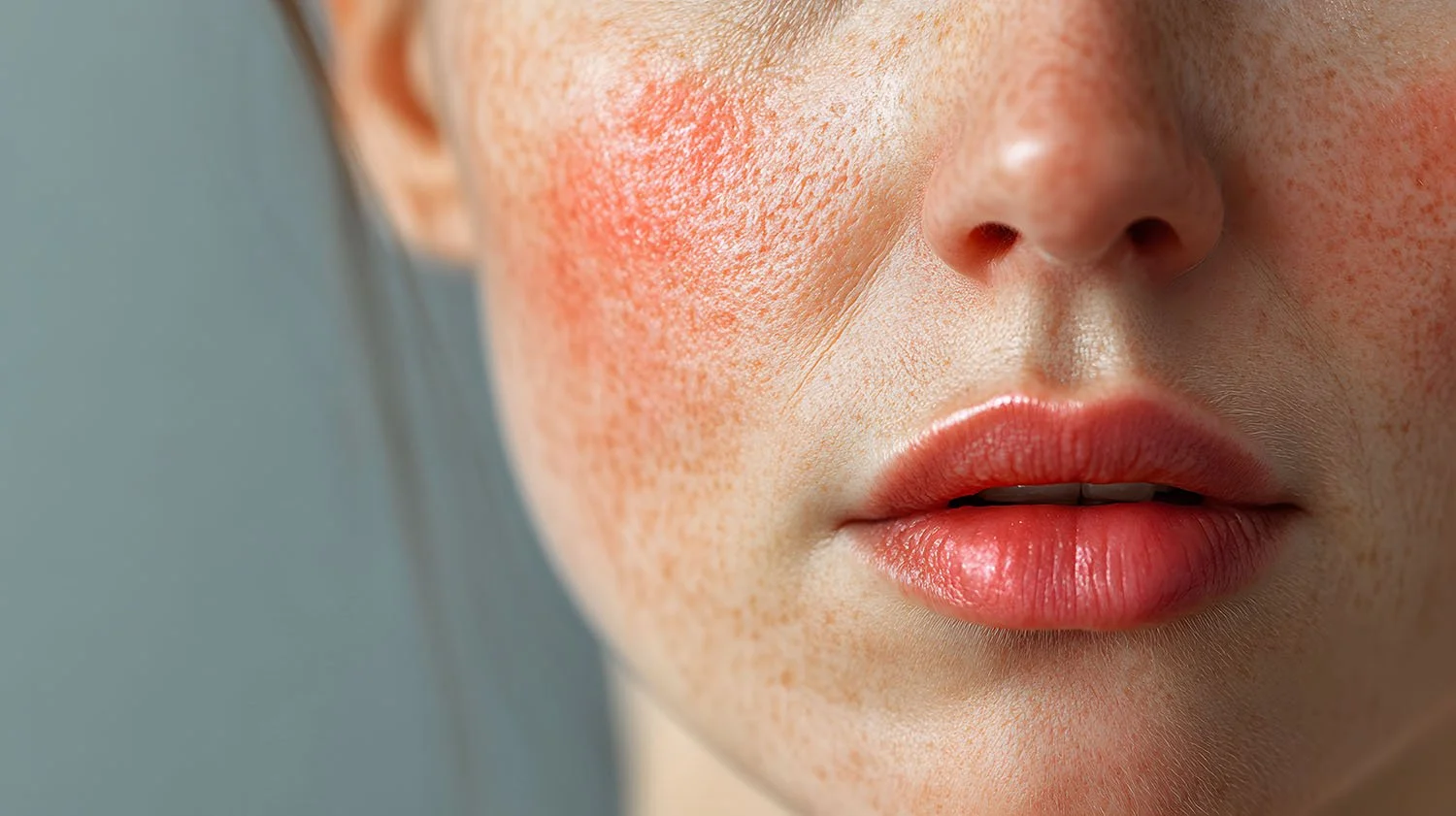
Rosacea is often treated as a surface-level skin condition — redness, flushing, sensitivity. But in clinic, a different pattern keeps showing up: many clients with rosacea are also dealing with gut issues like IBS, reflux, colitis, or H. pylori.
While rosacea is multifactorial, there’s a strong and growing understanding that gut health and stress are major drivers — not just contributing factors.
The gut–skin connection
Your gut and your skin are constantly communicating through what’s known as the gut–skin axis. When the gut is functioning well, it helps regulate:
Inflammation
Immune responses
Nutrient absorption
Microbial balance
But when the gut is compromised — through dysbiosis, infections, or chronic digestive issues — this balance is disrupted.
➡️ The result? Systemic inflammation that often shows up on the skin.
How gut imbalance can drive rosacea
When the gut is out of balance:
The immune system becomes overactive
Inflammatory pathways are constantly triggered
The body becomes more reactive to internal and external stressors
This can lead to:
Persistent redness
Flushing
Heightened sensitivity
Frequent flare-ups
In clinic, it’s very common to see rosacea alongside:
IBS
Reflux
Colitis
Crohns
H. pylori infections
💡 This doesn’t mean the gut is the only cause — but in many cases, it’s a key piece of the puzzle.
Stress: the missing link
Stress plays a powerful role in this cycle. Chronic stress can:
Disrupt gut function and microbiome balance
Increase cortisol and inflammatory chemicals
Weaken the skin barrier
➡️ This creates a chain reaction: Stress → gut imbalance → inflammation → rosacea flare-ups
What happens to the skin barrier?
When both the gut and nervous system are under strain, the skin barrier also becomes compromised.
A weakened barrier means:
Increased water loss (dehydration)
Easier penetration of irritants
Higher sensitivity to products and environment
It also creates an environment where unwanted microbes can thrive more easily on the skin, contributing to ongoing irritation and inflammation.
Why topical treatments alone aren’t always enough
This is why many people feel like they’ve “tried everything” — creams, serums, even treatments — but their rosacea keeps coming back.
If the internal drivers (gut health + stress) aren’t addressed, the skin can remain in a constant state of reactivity.
A more holistic approach to rosacea
To truly support rosacea-prone skin, it’s important to look at both internal and external factors:
Internally:
Supporting gut health
Identifying triggers (food, bacteria, digestion issues)
Managing stress and nervous system health
Externally:
Repairing and strengthening the skin barrier
Using gentle, non-irritating skincare
Avoiding aggressive treatments that can trigger inflammation
The takeaway
Rosacea isn’t just a skin condition — it’s often a reflection of what’s happening internally. While triggers like heat, sun, and skincare do play a role, gut health and stress are often key drivers behind ongoing inflammation and flare-ups. Understanding this connection allows for a more realistic, supportive, and effective approach to managing rosacea long-term.