
Skin needling for acne: why new research is changing everything
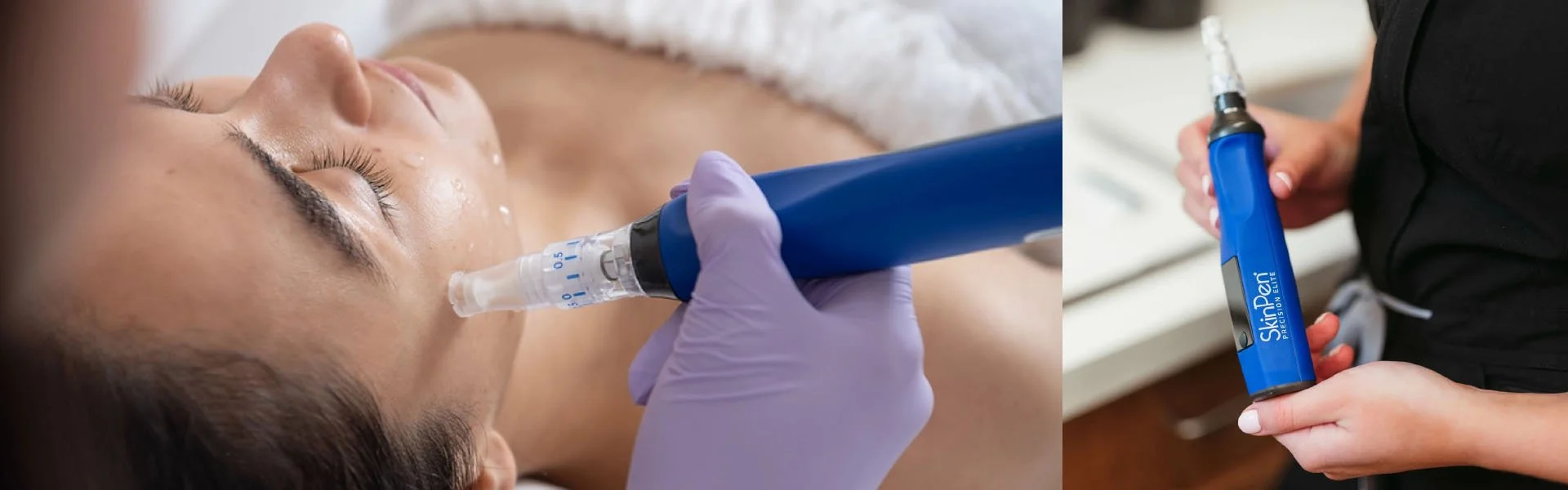
For years, many people were told to avoid skin needling if they had active acne. The concern was that treating over breakouts could spread bacteria, worsen inflammation, or aggravate the skin. But newer research and advanced treatment protocols are now showing that when performed correctly by trained professionals, skin needling can actually be an incredibly beneficial treatment for acne-prone skin.
At Forme Beauty Clinic, we’re seeing firsthand how modern skin needling treatments are helping clients achieve calmer, healthier-looking skin while also improving acne scarring, texture, and overall skin quality.
Why skin needling works so well for acne-prone skin
Skin needling works by creating tiny controlled micro-channels within the skin. This stimulates the skin’s natural rejuvenation process and supports healthier skin function overall. While skin needling has long been known for improving acne scarring, newer studies and treatment approaches are now showing benefits for active acne-prone skin too.
One of the main reasons it works so well is because skin needling helps improve overall skin health and function. It can support:
Smoother-looking skin texture
Reduced appearance of acne scarring
Improved hydration and skin barrier support
Better absorption of professional skincare products
Overall skin rejuvenation and renewal
When combined with calming and supportive treatments such as LED therapy, professional skincare, growth factor technology, or Aerolase laser treatments, skin needling can become part of a comprehensive acne management plan.
Debunking the myth: ‘skin needling spreads acne’
This is one of the biggest misconceptions surrounding skin needling.
Older needling techniques and incorrect treatment protocols may have increased irritation in some cases, which is where this myth likely began. However, modern professional skin needling treatments are very different.
When performed correctly:
Treatments are customised to the skin’s condition
Needle depth and technique are carefully adjusted
Strict hygiene protocols are followed
Inflammation is managed appropriately
The skin barrier is supported before and after treatment
Rather than spreading acne professional skin needling can actually help support healthier skin turnover and improve the appearance of congested, uneven or acne-prone skin over time.
Why professional treatment matters
Not all skin needling treatments are the same.
Treating acne-prone skin requires experience, proper skin assessment, and understanding when the skin is ready for treatment. Over-treating inflamed or compromised skin can create unnecessary irritation, which is why a personalised treatment approach is so important.
At Forme Beauty Clinic, we focus on preparing and strengthening the skin first before introducing advanced treatments. This helps support better cosmetic outcomes while minimising unnecessary irritation.
This comprehensive approach helps support healthier-looking skin while improving overall skin texture, tone, and post-acne marks.
Is skin needling right for everyone with acne?
Not always — and that’s important.
Some skins need calming and strengthening first before introducing needling treatments. This is why professional consultation and customised planning are essential.
For the right candidate, however, skin needling can be a powerful treatment option for improving:
Acne scarring
Uneven texture
Enlarged pores
Overall skin appearance
Skin confidence
Final thoughts
The conversation around skin needling and acne is changing rapidly. With newer technologies, better protocols, and improved understanding of skin health, professional skin needling is now becoming an increasingly valuable treatment option for acne-prone skin.
The key is ensuring treatments are performed professionally, strategically, and as part of a personalised skin plan tailored to your skin’s needs.
If you’ve previously been told that skin needling automatically makes acne worse, it may be time to rethink what modern treatments can achieve.